
Negative Dilute Drug Test Results: What They Mean, DOT Rules, and How Employers Should Respond
Drug testing is a critical component of workplace safety, compliance, and risk management, especially in safety-sensitive industries. While most people are familiar with standard results like "positive" or "negative," there's another outcome that often causes confusion: the negative dilute drug test result.
Understanding what a negative dilute result means, why it occurs, and exactly how employers must respond particularly under DOT regulations is essential for maintaining a fair and legally defensible drug testing program.
What Is a Negative Dilute Drug Test Result?
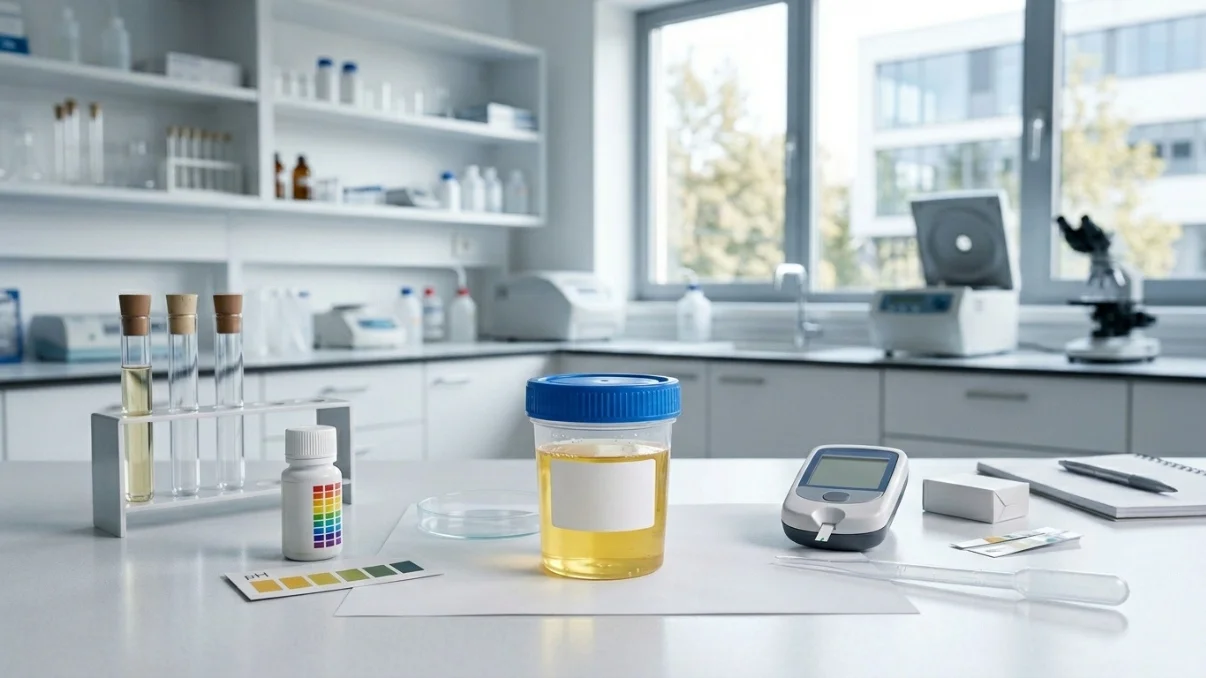
A negative dilute drug test result means that no drugs were detected in the sample, but the urine specimen is unusually diluted. This dilution reduces the concentration of substances in the urine, including both drugs and natural markers used to validate the test.
In simpler terms: the test is technically negative, but the sample may not be reliable due to excessive dilution. It is not the same as a clean negative result and it is not the same as a positive result either.
What Causes Diluted Urine Samples?
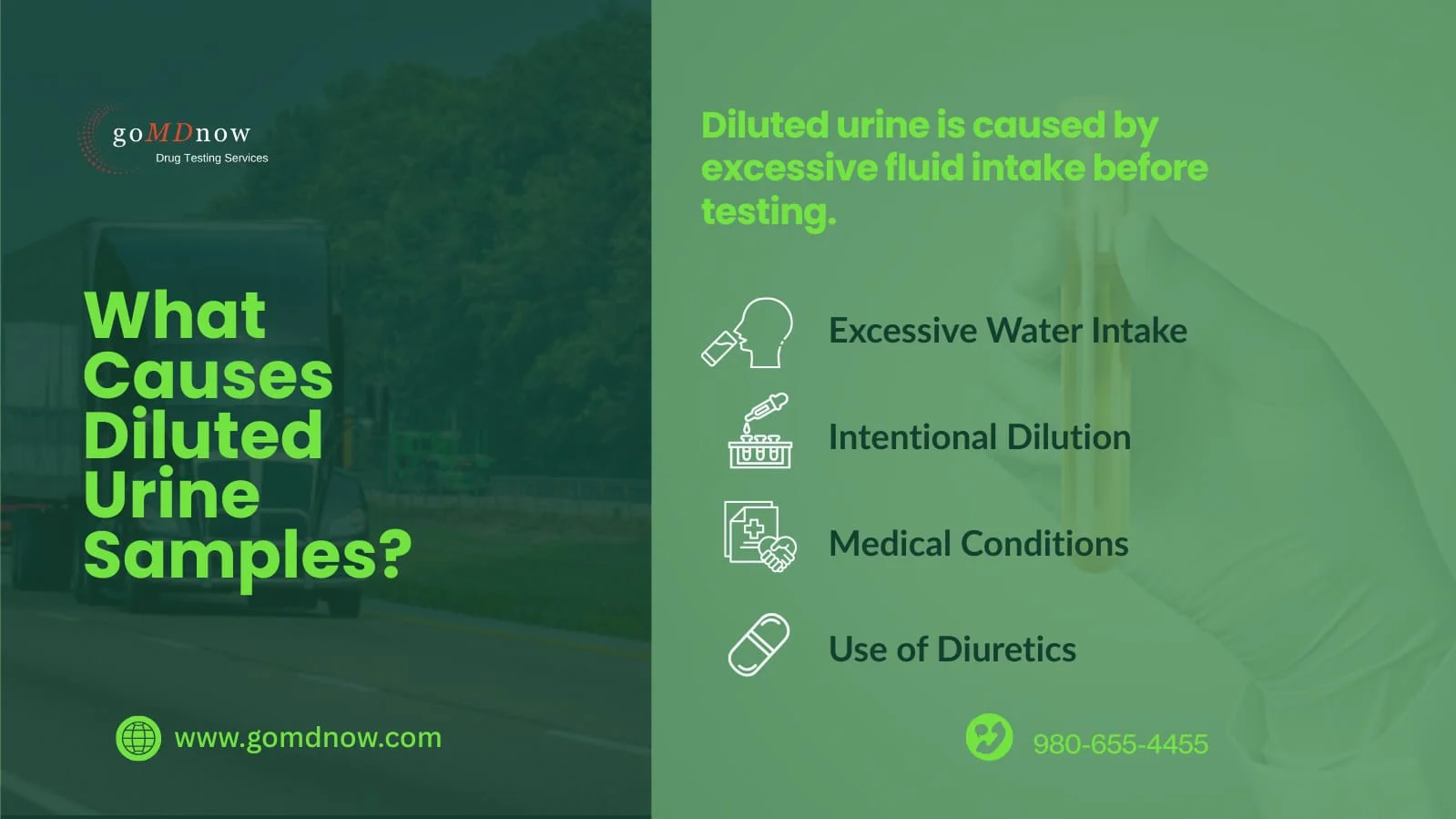
Diluted urine occurs when a person has consumed many fluids before the test. This can happen for several reasons:
1. Excessive Water Intake
Drinking large amounts of water before a test can lower drug concentration levels in urine below detectable thresholds.
2. Intentional Dilution
Some individuals may attempt to "flush out" drugs from their system by overhydrating before the test.
3. Medical Conditions
Certain health conditions such as kidney disorders or diabetes can naturally affect urine concentration regardless of fluid intake.
4. Use of Diuretics
Medications or substances like caffeine that increase urine production may contribute to dilution.
How Laboratories Detect Dilution
Drug testing laboratories don't just check for drugs they also perform Specimen Validity Testing (SVT) to ensure the integrity of every sample. This is the same process used to detect adulterated or substituted specimens.
SVT analyzes:
- Creatinine levels — a waste product naturally present in human urine. Normal range: 20–300 mg/dL. A dilute specimen typically has creatinine below 20 mg/dL
- Specific gravity — measures urine concentration. Normal range: 1.003–1.030. A dilute specimen typically falls below 1.003
- Color and appearance
If creatinine and specific gravity fall below normal thresholds, the sample is flagged as "dilute" and reported to the Medical Review Officer (MRO).
Negative vs. Negative Dilute: What's the Difference?
| Result Type | Meaning |
|---|---|
| Negative | No drugs detected; sample is valid and within normal concentration parameters |
| Negative Dilute | No drugs detected; sample is diluted and may be unreliable additional action may be required |
Why Negative Dilute Results Matter
1. Potential for Masking Drug Use
Dilution may reduce drug concentration below detectable thresholds, potentially hiding substance use that would otherwise trigger a positive result.
2. Compliance Risks
For regulated safety-sensitive industries under DOT guidelines, handling dilute results improperly can lead to compliance violations and audit findings.
3. Workplace Safety Concerns
Accepting a potentially unreliable result without following proper protocols could compromise safety in high-risk environments particularly for pre-employment and return-to-duty testing scenarios where a clean result is required before the employee can work.
DOT Rules on Negative Dilute Results (49 CFR §40.197)
Under DOT regulations, how an employer must respond to a negative dilute result depends specifically on the creatinine concentration of the specimen — not just the dilute designation itself. There are two distinct scenarios:
Scenario 1: Creatinine ≥2 mg/dL but ≤5 mg/dL Mandatory Direct Observation Retest
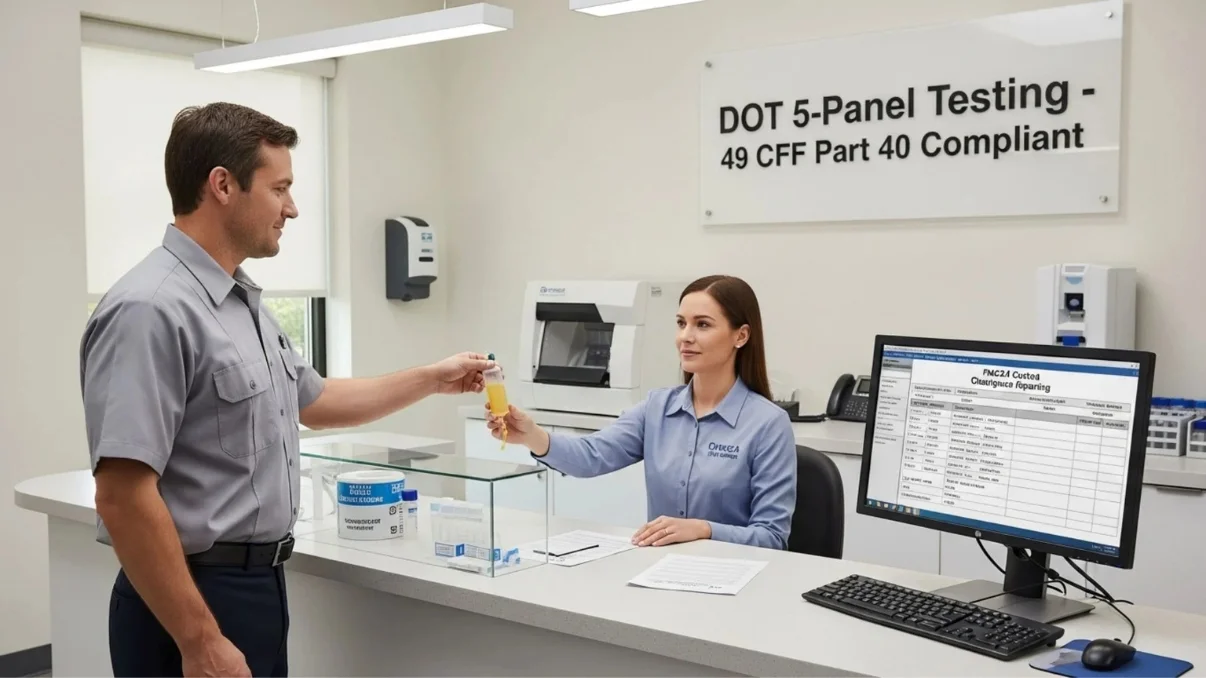
When the MRO reports a negative dilute with a creatinine concentration in this range, the employer must immediately direct the employee to provide a new specimen under direct observation no exceptions. This threshold indicates a specimen unusually close to substitution territory and direct observation is mandatory.
Scenario 2: Creatinine >5 mg/dL Optional Retest (Employer's Discretion)
When creatinine exceeds 5 mg/dL, the employer may but is not required to direct one immediate retest. This retest must NOT be conducted under direct observation unless there is a separate independent basis for observed collection. Key rules that apply:
- The employer must treat all employees the same you cannot retest some and not others for the same test type
- Different policies may be set for different test types (e.g., always retest pre-employment, never retest random)
- Employees must be informed of the policy in advance
- Only one additional test is permitted if the second result is also negative dilute, it stands as the final result. The employer cannot order a third test simply because the result is again dilute
Refusal to Retest = Refusal to Test
This is a critical point many employers miss: if an employee declines a required retest due to a dilute specimen, it is treated as a refusal to test carrying the same consequences as a confirmed positive result under DOT regulations. For CDL drivers, this means immediate removal from safety-sensitive duties, Clearinghouse reporting, and the full Return-to-Duty process. Learn about all DOT violations and their consequences.
Can an Employer Decline to Hire on a Negative Dilute?
Yes but with an important distinction. A negative dilute is a valid negative result for DOT purposes, meaning the employer is authorized to allow the applicant to begin performing safety-sensitive functions. However, if the employer chooses not to hire the applicant, that is a company policy decision not a DOT requirement. The employer cannot claim that the DOT requires the refusal to hire.
Employer Guidelines for Handling Negative Dilute Results
1. Have a Written Policy Before Testing
Your drug and alcohol testing policy must specify how negative dilute results are handled before any test is conducted. You cannot create or change the policy after the fact.
2. Follow the Creatinine-Specific DOT Rules
Apply the two-tier DOT rule correctly: mandatory direct-observation retest for 2–5 mg/dL, optional retest for >5 mg/dL. Working with a qualified C/TPA or certified testing clinic ensures this process is applied correctly every time.
3. Document Everything
Maintain proper documentation including the MRO report, policy acknowledgment, and any retest instructions to ensure compliance and protect against legal challenges. The chain of custody must be maintained through any retest.
4. Apply Policies Consistently
You must treat all employees the same within each test category. Inconsistent application creates discrimination claims and compliance vulnerabilities.
5. Avoid Assumptions
A negative dilute result does not automatically indicate tampering. Many cases result from normal hydration habits. Always approach the situation objectively and allow the MRO process to guide the response.
How Employees Can Avoid Negative Dilute Results
- Avoid excessive fluid intake in the hours before the test normal hydration is fine, but drinking large quantities specifically before testing raises dilution risk
- Follow instructions provided by the testing facility
- Inform the collector about any medications or medical conditions that may affect urine concentration
- Maintain normal hydration levels if you are naturally a high water drinker, inform the collection site so they can note it on the chain of custody form
Role of the Medical Review Officer (MRO)
The MRO plays a key role in negative dilute cases. Under 49 CFR §40.155, when a laboratory reports a dilute specimen, the MRO must report the dilute status to the Designated Employer Representative (DER) and explain the employer's obligations and choices under §40.197 including the requirement for direct observation retest when creatinine falls in the 2–5 mg/dL range.
The MRO also checks the "dilute" box on the chain of custody form and ensures the employer understands the specific creatinine concentration that triggers each response. Working with a testing provider that includes SAMHSA-certified laboratory processing and qualified MRO review ensures this process is handled correctly.
Common Misconceptions About Negative Dilute Results
"It means the person is drug-free."
Not necessarily. The dilution may have reduced drug concentrations below detectable levels. It is a technically negative result but not a medically confirmed clean result.
"It always indicates cheating."
False. Many cases are entirely unintentional the result of normal high water intake, medical conditions, or natural metabolism.
"It's the same as a negative result."
Incorrect. A negative dilute has lower reliability and may require a retest depending on the creatinine level and employer policy. It is a distinct result category.
"The employer must accept it."
For DOT purposes, a negative dilute is a valid negative but the employer may have a policy requiring a retest, and in the 2–5 mg/dL creatinine range, a direct-observation retest is mandatory regardless of employer preference.
Importance of a Strong Drug Testing Policy
A well-structured drug testing policy should include clear procedures for handling dilute results, retesting protocols with creatinine-specific thresholds, employee education guidelines, and compliance with federal and state regulations. This ensures transparency and reduces the risk of disputes.
Consider reviewing your policy against the DOT compliance checklist for trucking companies to ensure your dilute result handling meets all 49 CFR Part 40 requirements.
FAQs
1. What does a negative dilute drug test mean?
It means no drugs were found, but the urine sample is diluted below normal concentration levels. The result is technically negative but may be considered unreliable and could require a retest depending on the creatinine level and applicable policy.
2. Can you fail a drug test with a negative dilute result?
No a negative dilute is not a positive result. However, you may be required to retest. If you refuse a required retest, that refusal is treated as a positive result under DOT rules.
3. Is a negative dilute result considered passing?
For DOT purposes it is a valid negative, meaning the employer can authorize safety-sensitive work. However, employer policy may require a retest before accepting it as final particularly for pre-employment testing.
4. How can I avoid a negative dilute result?
Avoid drinking excessive fluids immediately before the test. Maintain normal hydration. If you have a medical condition that affects urine concentration, inform the collection site so it can be documented.
5. Do all employers require retesting for negative dilute?
No it depends on company policy and the specific creatinine concentration. Under DOT rules, a retest under direct observation is mandatory when creatinine is 2–5 mg/dL. For creatinine above 5 mg/dL, retesting is optional and employer policy determines the response.
Final Thoughts
Negative dilute drug test results sit in a gray area between clear negatives and questionable samples and the response cannot be one-size-fits-all. Under DOT rules, the creatinine concentration determines exactly what happens next, and applying the wrong response creates compliance violations as serious as mishandling a positive result.
For employers: have a written policy, know the two-tier creatinine rule, apply it consistently, and document everything. For employees: understand that refusing a required retest carries the same consequence as a positive and that a negative dilute does not guarantee you will be cleared without additional steps.
goMDnow provides full-service drug testing with SAMHSA-certified lab processing, qualified MRO review on every dilute result, and C/TPA support to ensure your program applies 49 CFR §40.197 correctly every time. Explore our nationwide testing network or contact us to review your dilute result policy against current DOT requirements.